Optimizing Sleep with King-Size Beds: Comfort, Health, and Bedroom Design
In a world where wellness starts with a good night’s rest, the king-size bed isn’t just a piece of furniture—it’s a lifestyle statement. Kingsizebed.org marks a moment to explore how size, support, and thoughtful design converge to improve sleep quality, spinal alignment, and overall well-being. This guide blends expert insight, timeless design philosophies, and practical shopping advice to help you create a sleep sanctuary that feels fit for royalty.
A royal centerpiece: Why a king-size bed matters for sleep health
Sleep researchers and wellness writers alike emphasize how space in the sleep domain translates to reduced tossing and turnings, better body alignment, and more restorative cycles. A king-size bed offers ample room for couples to settle into independent sleeping micro-environments while sharing a single frame. But space alone doesn’t guarantee quality sleep. The bed’s foundation—the mattress, the adjustable options, and the bedding ecosystem—plays a pivotal role in nurturing posture and temperature regulation throughout the night.
Historically, the concept of “royal rest” has woven together comfort, materials, and intelligent engineering. From antique four-poster beds to modern modular systems, the underlying goal remains the same: to cradle the body with predictable support and allow the mind to drift into deeper sleep stages. Today’s king-size setups pair premium materials with smart accessories, such as adjustable bed bases, organic bedding, and breathable linens, to deliver a sleep experience that is as soothing as it is luxurious.
Three key pathways to optimize a king-size sleep experience
-
Mattress and foundation considerations: The bed is only as comfortable as its base. Firmness and support should align with your body weight, preferred sleep position, and any health considerations such as back pain. For couples and tall sleepers, a zoned or adjustable foundation can help maintain proper spinal alignment while allowing independent comfort preferences.
Tip: Consider an adjustable base with independent head and foot lift. Bases like Level 1 to Level 4 in the adjustable range offer features such as presets, under-bed lighting, dual USB ports, and massage modes that can promote relaxation before sleep.
-
Sleep environment optimization: A large bed invites a meticulously designed bedroom climate. Temperature control, airflow, and bedding materials become even more crucial when you stretch across a wide sleeping surface. Pair breathable, moisture-wicking linens with a cooling mattress protector to maintain a stable microclimate throughout the night.
Bedding matters: Organic cotton sheet sets, hypoallergenic protectors, and latex or wool-filled pillows can promote comfort without compromising breathable sleep.
Example product: Sleep and Beyond Organic Cotton Waterproof Mattress Protector provides a breathable barrier against spills and allergens, preserving mattress life while keeping the surface comfortable.
Temperature strategy: Use breathable duvet covers and lighter top layers in warmer months, layering heavier materials for cooler seasons. For adjustable bases, consider a zero-gravity or anti-snore preset to support comfort without disturbing a partner.
Tip: Under-bed LED lighting not only elevates ambiance but can help minimize nighttime disturbances by providing low-level illumination for safe movement.
-
Lifestyle focus: meeting diverse sleep needs with premium bedding: A king-size bed is uniquely suited to accommodate couples with different sleep patterns, tall sleepers, and individuals dealing with back pain. The right pillows, protectors, and organic bedding amplify comfort and posture support.
From down sleeping pillows to latex and wool options, the pillow landscape is broad. Look for products with clear certifications (GOTS, Oeko-Tex) and materials that align with your sleep style—side sleepers often benefit from contouring support and pressure relief, while back sleepers may prioritize neck alignment and spinal stability.
Editorial profiles: 3 influential voices across time on rest and design
Hypatia of Alexandria (c. 370–415)
An ancient thinker who reminds us that intellect and well-being coexist. While not a bed-inventor, Hypatia’s legacy emphasizes the importance of reflective rest and cognitive renewal—an ideal backdrop for a night of thoughtful, undisturbed sleep.
Her era teaches that a strong foundation—whether in science or sleep—supports enduring growth. In the modern bedroom, a solid mattress and supportive pillow system become the Hypatian bedrock for healthy thinking and clear decision-making the next day.
Louis Comfort Tiffany (1848–1933)
A master of artistry who understood mood and light. He reminds us to curate bedrooms with atmosphere—soft lighting, soothing color palettes, and textiles that feel luxurious to the touch. A king-size bed becomes a canvas for Tiffany-inspired calm and refinement.
In today’s sleep design, mood lighting and tactile bedding can transform a room from merely functional to emotionally nourishing, echoing Tiffany’s belief in the beauty of crafted detail.
Sheryl Sandberg (b. 1969)
A modern voice on resilience, leadership, and balance. Her perspective translates to sleep strategy: prioritize routines, boundaries, and a bedroom that supports restorative downtime. The king-size bed becomes a space for boundary-setting and personal well-being.
From Sandberg’s ethos, we learn that a bedroom is not just a sanctuary for rest but a boundary-protective space that enables better focus, health, and daily performance.
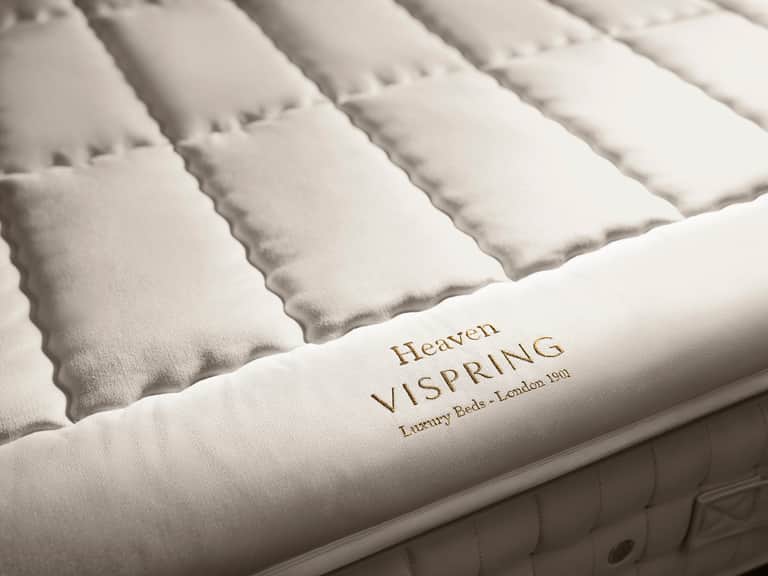
Product spotlight: Vispring Heaven Mattress Topper
Featured premium accessory
Vispring Heaven Mattress Topper
Indulge in a peaceful night’s sleep with a topper crafted from authentic British fleece wool and soft-needled British wool. This topper regulates temperature naturally, relieving pressure points and adding a layer of luxury to your king-size sleep setup.
Price: $1,665.00
Product snapshot
British wool filling, quilted for stability, contrasting ticking for style, and a plush feel designed to work atop a king-size mattress.
Design and layout tips for a spacious king-size bedroom
Bed placement and room flow
Center the bed on the dominant wall to create a balanced focal point. Leave ample space around all sides to enhance movement, dressers, and nightstands, and to avoid a cramped feeling that can undermine sleep comfort.
Textiles that soothe the senses
Choose a calm color palette and natural materials: organic cotton sheets, wool or latex pillows, and a duvet that breathes. A king-size bed invites generous layers—think a breathable duvet cover with a light quilt for seasonal adaptability.
Choosing mattresses, protectors, and organic bedding for a health-forward sleep
Within the king-size bed ecosystem, the right combination of mattress, protectors, and bedding can elevate sleep quality while supporting spinal alignment. Organic options are particularly appealing for their environmental and health benefits, offering peace of mind for those sensitive to chemicals and synthetic materials.
Mattresses and foundations
Flat foundations are classic, while adjustable bases unlock personalized comfort. Consider a king-size compatible adjustable base with independent side control, integrated massage, USB charging, and preset positions for Zero Gravity or Anti-Snore. Integrating a premium topper, such as Vispring Heaven, can further refine the sleep experience by addressing pressure points and temperature regulation.
Bedding and protection
Organic cotton sheet sets, waterproof mattress protectors, and latex or wool pillows create a healthier sleep surface free from harsh chemicals. Protectors help extend mattress life while maintaining comfort, and organic fabrics support breathability during long nights.
Product gallery (selected picks from the catalog)
Vispring Heaven Mattress Topper
Indulge in luxurious wool comfort that tempers temperature and eases pressure points.
Price: $1,665.00
Sleep and Beyond Organic Cotton Waterproof Mattress Protector
GOTS-certified organic cotton with a breathable waterproof layer, perfect for an active household.
Warranty: 5 years
Naturepedic Organic Side Sleeper Pillow
Latex-filled, organic cotton cover designed for side sleepers with adjustable loft.
Care: Spot-clean
Expert insights: sleep science at a glance
Sleep health continues to emerge as a pillar of overall wellness. The bed, while essential, is part of a larger system that includes circadian rhythm discipline, daily movement, and nutrition. By aligning bed design with sleep science, you can cultivate a nighttime routine that supports mood, cognition, and physical recovery.
- Spinal alignment matters: A mattress that supports natural curvature can reduce back pain and improve morning mobility.
- Temperature regulation is key: Breathable fabrics and wool or latex fillings help maintain a stable sleeping temperature.
- Consistency pays off: Regular sleep schedules and boundaries around screen time support deeper, more restorative sleep stages.
Your king-size sleep journey starts here
Whether you’re delving into deeper spinal alignment with an adjustable base, layering in premium toppers like Vispring Heaven, or curating organic bedding for a calmer sleep environment, a king-size bed is more than a bigger footprint. It is a deliberate choice to invest in health, comfort, and moments of quiet luxury in your daily life.
As you embark on refining your sleep space, remember that the best choices balance function, comfort, and aesthetics. The right combination of mattress, foundation, and bedding can transform your king-size bed into a sanctuary where rest, recovery, and dreams come first.
© 2026 Kingsizebed.org. All rights reserved.