King Size, Wider Worlds: A Comprehensive Guide to Bed Sizes, Ergonomics, and the Sleep Space

In the quiet architecture of a room, the bed sits at the center of human rhythms—an everyday monument to rest, space, and intimate design. Kingsizebed.org invites readers to explore bed dimensions not merely as numbers, but as coordinates for healthier sleep, smarter room planning, and a language of comfort that extends beyond the frame. This article examines bed sizing as a practical science, framed with editorial curiosity and a storied sense of place—where historical ideas of royalty meet contemporary ergonomics, interior design, and the craft of furniture making.

Bed sizes through time and space

Bed dimensions are not arbitrary; they reflect cultural norms, architectural footprints, and the evolution of materials. From traditional European twin and full configurations to modern American king and California king, size guides translate architectural rooms into human-scale experiences. In the United States, standard sizes have settled into recognizable categories: Twin, Twin XL, Full (Double), Queen, King, and California King. Across the Atlantic, the UK and EU embrace slightly different baselines, which matters for both interior design and ergonomics when measured against room dimensions and partner sleep patterns.

Understanding a region’s standard dimensions helps homeowners and designers optimize layouts, ensuring adequate clearance, accessible walkways, and practical furniture adjacency. For example, a typical Queen measures around 60 inches wide by 80 inches long, while a King expands to 76 by 80 inches. Yet rooms come in many forms: a compact urban bedroom benefits from thoughtful layout templates, while a master suite invites expansive thinking about scale and proportion. The goal is not to maximize bed size per se, but to maximize sleep quality and usable space around it.

Ergonomics: balance, spine health, and sleep position

Ergonomics transforms bed size into a health consideration. A bed too small can constrain hips, shoulders, or spine alignment; a bed too large can disrupt room circulation and intimate dynamics. Ergonomic principles suggest a bed width that supports comfortable alignment between the shoulders and hips, with length ample enough for users to stretch without overextending. The relationship between mattress firmness, frame support, and bed dimensions creates a cradle that promotes circulation, reduces pressure points, and fosters deeper, more restorative sleep.

In practical terms, ergonomic recommendations often translate into accessible room layouts: allowing a minimum of two to three feet of clearance around the bed for movement, night-time navigation, and nightstand access. For taller sleepers or shared beds, a wider dimension helps maintain comfortable positions without forced compromises. The science of sleep health—while nuanced and ongoing—offers a pragmatic framework for choosing bed size as part of a holistic wellness plan.

Regional standards: a quick reference

  • US/Canada: Twin 38" x 75", Twin XL 38" x 80", Full 54" x 75", Queen 60" x 80", King 76" x 80", California King 72" x 84".
  • UK/Europe: Common sizes include Small Single, Single, Double, King, and Super King, with regional measurements typically in centimeters and inches alike, reflecting a different set of wall- and wardrobe-friendly proportions.
  • Notes: Regional differences matter for room planning, frame compatibility, and linens. A bed frame and mattress must be measured against both mattress length and frame interior dimensions to ensure a precise fit.

Dimension charts and what they tell us

Dimension charts translate abstract space into navigable design. A chart can include width, length, height, and recommended clearances, along with room-fit suggestions for small, medium, and large bedrooms. These charts feed into practical decisions, such as whether to place a bed against a particular wall, how to orient the bed for natural light, or how to arrange storage and seating around the sleeping zone.

Beyond width and length, charts can address related factors—mattress depth, frame leg height, and under-bed access—so that every layer of the sleeping system integrates with the surrounding room.

Visual diagrams and room planning

Quiet diagrams—scale floor plans, cross-sections, and shadow studies—offer a geographic map of sleep. They enable readers to visualize how a particular bed size fits within a room’s footprint, how much space remains for dressers, desks, or seating, and how traffic flows around the bed during sleep and waking routines.

These visuals do not rely on shopping for products. Instead, they establish a framework that can inspire a non-commercial, educational approach to interior design and sleep health. The diagrams emphasize clarity, accuracy, and accessibility, helping readers translate theory into measurable action in real spaces.

Key case studies: Three time-sliced perspectives

To illuminate bed-size philosophy across epochs, we examine three notable individuals who, across different historical moments, reframed the importance of space, rest, and design. Their stories—though personal—echo universal themes of comfort, safety, and the human desire to shape our environments for better living.

  • 1) Queen Victoria (1819–1901): The bed as a throne of recovery — In an era of empire and domestic reform, Victoria’s era popularized spacious master bedrooms among the upper classes. The bed, often framed in carved wood and high headboards, became a symbol of restful sovereignty. The design emphasis leaned toward proportion, privacy, and the ritual of turning down a cover in the early hours of the evening—an intimate ceremony that framed sleep as a regal, restorative act.
  • 2) Le Corbusier (1887–1965): Sleep space as geometry — The modernist movement reframed the sleeping chamber as a disciplined, geometric space where furniture followed function. Le Corbusier’s ideas about modular rooms and standardized furniture inspired configurations that prioritized open floor plans and flexible layouts. While not a bedroom architect of record, his influence helped normalize efficient room planning, including the careful placement of a bed within a single, coherent spatial system.
  • 3) contemporary sleep scientists and designers (late 20th–early 21st centuries) — Modern sleep science treats the bed as a platform for measuring health outcomes: ergonomic alignment, pressure relief, temperature regulation, and the psychological sense of sanctuary. Today’s thought leaders emphasize the bed’s role in overall wellness, encouraging informed decisions about size, frame support, and the environmental factors that contribute to restorative sleep.

These figures, separated by time but united by a common aim, remind us that the bed is more than a place to lie down—it is a stage where culture, science, and craft converge to shape how we experience night and day.

Tools for readers: practical resources

While Kingsizebed.org emphasizes an informational, non-commercial stance, readers can benefit from practical tools that support accurate, non-sales-based decision-making. Consider these resources:

  • Room-fit calculators that compare bed sizes to room dimensions
  • Dimension charts by region and standard
  • Guides on measuring a bedroom for the right bed size
  • Ergonomic tips for spine-friendly support and alignment

Case studies in design ethics and space

In an era of fast furniture and rapid renovations, the responsible use of space matters. This section highlights case studies where careful attention to bed size and room planning yielded improved sleep quality and more livable interiors—without tipping into consumer-driven promotion. These narratives underscore how thoughtful measurement, region-aware standards, and ergonomic awareness empower people to sleep better in their own homes.

Product spotlight: Cisco Home Pebble Bed Frame

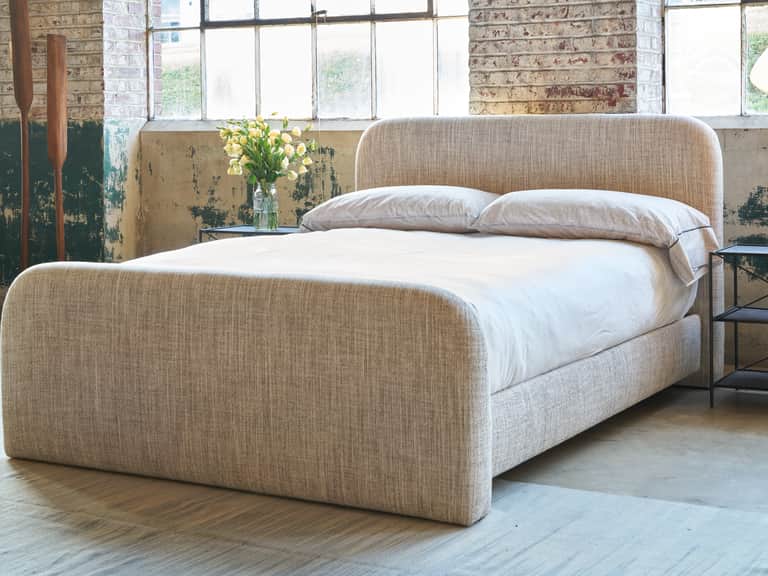
The Cisco Home Pebble Bed Frame embodies the convergence of design elegance and robust construction. Its rounded headboard and footboard, available in standard and tall versions, signal a shift toward furniture that is as much sculpture as support. Built with FSC-certified wood and crafted in a process that emphasizes environmental responsibility, the Pebble Bed Frame is a tangible example of how a bed frame can elevate a sleeping space without sacrificing practicality.

Dimensions and fit: 69.5" w x 45.5" h x 92.5" d; tall option adds height, while side rails measure 82" long. This configuration fits a 62" x 82" mattress space with a robust platform foundation.

Construction: FSC-certified wood, metal glides, and a removable slipcover option. Built for durability and environmental mindfulness.

Product spotlight

Cisco Home Pebble Bed Frame

Price: $5,595.00

Note: This product illustration demonstrates how a thoughtfully designed bed frame can contribute to a king-size-inspired room layout without a sales-forward focus.

Images: The Pebble Bed in natural light, a close-up of the headboard, and a side profile showing the depth of the platform are provided to illustrate scale and form. The visuals emphasize texture, craftsmanship, and the material story rather than merchandising.

About Kingsizebed.org: mission and methodology

Kingsizebed.org exists to serve as an authoritative, non-commercial educational hub for bed sizes, room planning, and ergonomic sleep. The site emphasizes regional standards, room dimensions, and the science of sleep health, presenting information with careful sourcing and a reverence for accuracy. The editorial voice aims to be clear and accessible, balancing expert insight with practical guidance for homeowners, designers, students, and professionals who seek reliable, repeatable knowledge about the bed as a core architectural element.

Our methodology centers on measurements, standards, and evidence-informed guidelines. Where medical or sleep-health claims appear, they are clearly cited, with an emphasis on transparency and reproducibility. The site is designed to scale into future content pillars—dimensional standards by region, room layout templates, and interactive tools—while remaining faithful to a non-commercial, research-oriented ethos.

Would you like a detailed sitemap, page-by-page meta descriptions, and a 6–12 month editorial calendar? I can craft a comprehensive plan tailored to your audience and the domain’s growth goals.

Related Products

Cisco Home Pebble Bed Frame

Cisco Home · No. PEB-BED-018

Cisco Home Pebble Bed Frame

Elevate your sleep space with the Cisco Pebble Bed—sleek rounded headboard, durable FSC wood, and a modern silhouette that feels luxurious yet cozy. Built to last with eco-conscious craftsmanship, it supports a serene, sanctuary-like retreat night after night.
Adjustable Base Max

Casper

Adjustable Base Max

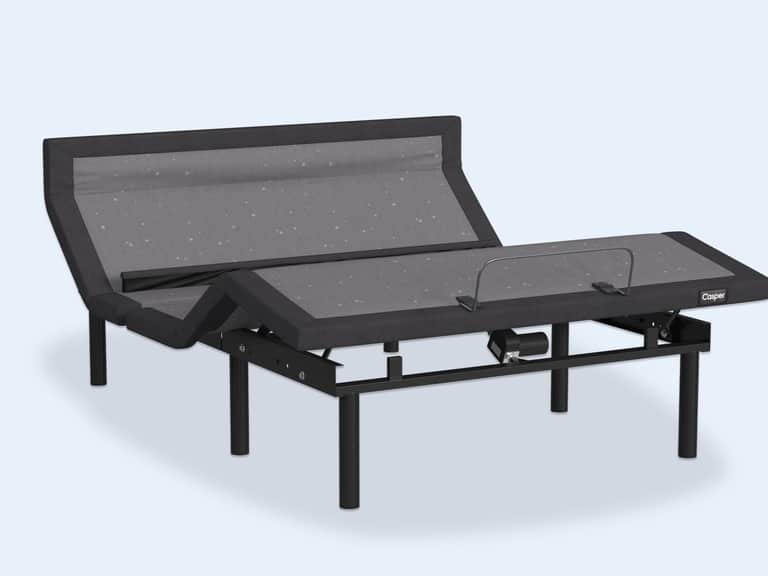
Sleep smarter with effortless head/foot tuning, lumbar presets, a 3-level massage, and adaptive lighting that guides your night routine—each sleeper blasts their own comfort, synced and seamless.
Cisco Home Finn Bed Frame

Cisco Home · No. FIN-BED

Cisco Home Finn Bed Frame

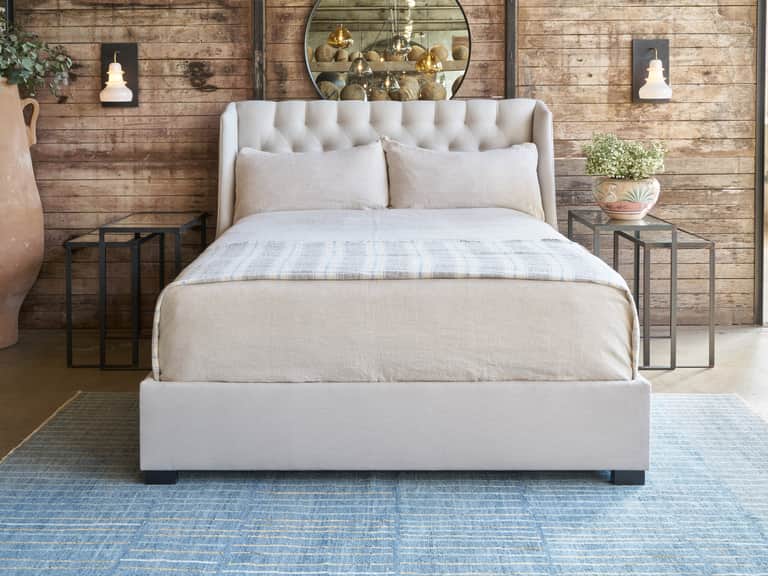
Create your perfect vibe with a customizable fabric bed and a chic tufted headboard, built to last with eco-friendly, FSC-certified materials and sustainable sourcing for a comforting, responsible sleep space.

Theme