Mattress Materials & Design
Naturepedic Organic Mattresses: Materials, Support, and Construction
A mattress is a layered system: fibers, foams, springs, covers, and foundations working together beneath the sleeper. Exploring how those parts are assembled can make it easier to compare Naturepedic organic mattresses—and to judge whether a particular design fits your comfort preferences, sleeping position, and bedroom setup.
The word organic may bring to mind a single, simple material. In a mattress, it describes only part of a more complicated story. A finished sleep surface can combine different fibers and support components, each with its own feel, care requirements, and role in the structure. Two mattresses carrying an organic label may therefore feel quite different, even when both are designed around similar material principles.
Naturepedic is associated with organic and other material-conscious mattresses, but its products should not be treated as one uniform construction. Materials, layers, firmness options, and certifications can vary by model and may change over time. The useful starting point is the specification for the exact mattress under consideration—not a broad assumption based on a brand name or a single word on a label.
This guide looks at the questions that reveal how an organic mattress is put together: What is in the cover? What provides cushioning? What supports the body? How do the layers interact? And what maintenance does the design require? These details can help turn a mattress comparison from a contest of labels into an assessment of fit, construction, and practical use.
What “organic mattress” can—and cannot—tell you
Organic is a description of how certain materials are produced or certified; it is not a firmness rating, a guarantee of a particular sleep feel, or a complete account of every component in a mattress. The term may apply to specified fibers or materials, while other parts of the product have separate origins and standards. Reading the component list is therefore essential.
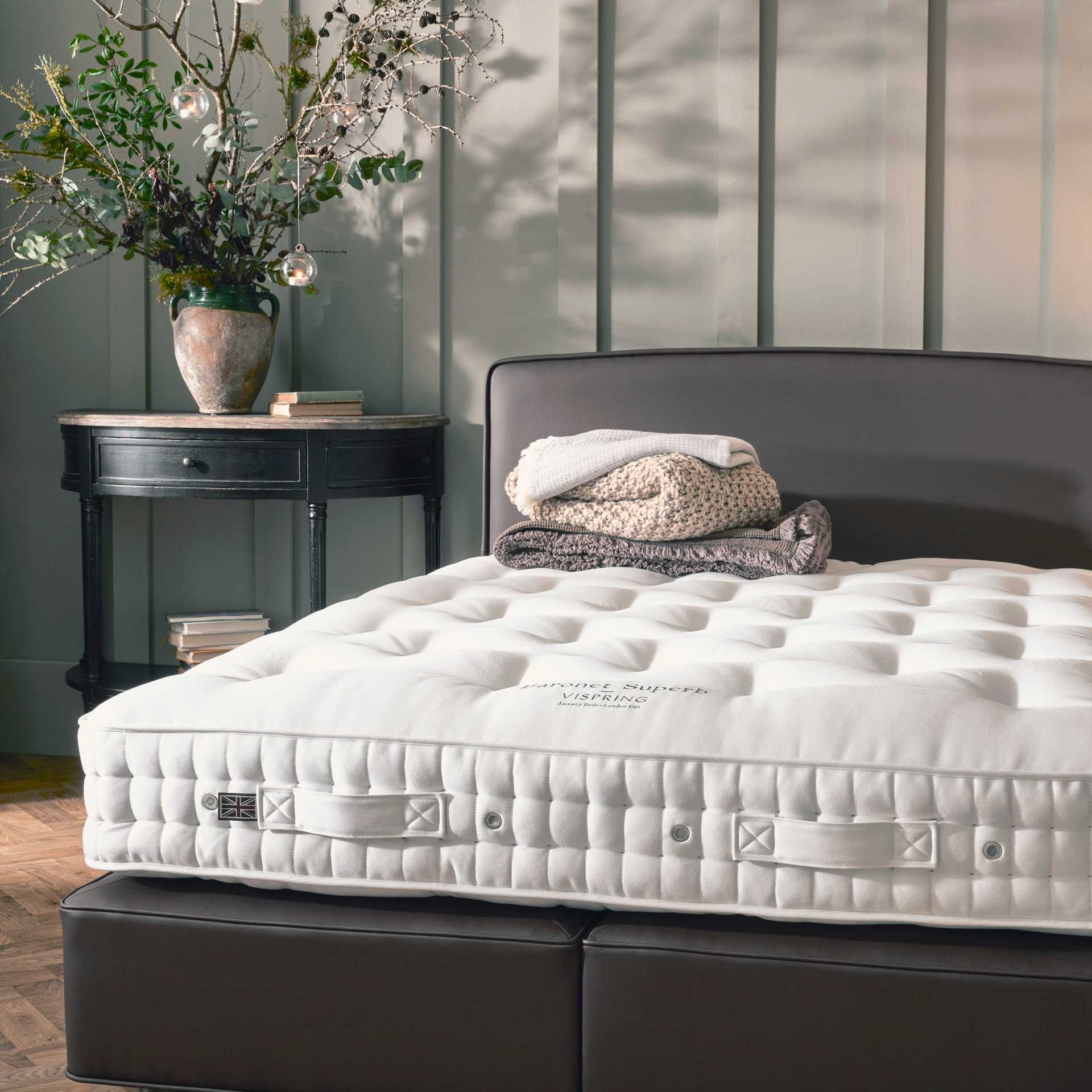
A mattress may include a textile cover, comfort layers, a support core, edge reinforcement, adhesives or other joining methods, and a fire-protection system. Each element can influence the finished product. A cover affects the first contact against the skin. Cushioning layers influence how the mattress yields under shoulders and hips. The support core contributes to the overall response and stability. The way these pieces are assembled affects how the mattress behaves as a whole.
Certifications can add useful information, but they are not interchangeable. A certification may relate to the agricultural practices used to grow a fiber, the processing of a textile, emissions testing, or the contents of a particular component. Check what is certified, which organization issued the certification, and whether the claim applies to a material, a component, or the entire finished mattress. For a specific Naturepedic model, consult current product documentation and certification details rather than assuming every model has identical credentials.
The anatomy of a mattress: from cover to core
The surface of a mattress is only the visible edge of its design. Beneath the fabric, a series of layers determines how the bed compresses, rebounds, and carries weight. A useful comparison considers each layer in sequence, then asks how the layers work together.
The cover: the first point of contact
The cover encloses the mattress and is the material most directly felt by the sleeper, though sheets create an additional layer between skin and mattress. Its fiber content, knit or weave, quilting, and thickness can influence surface texture and the way the mattress initially feels. A quilted cover may add a modest amount of cushioning; a more lightly finished surface may let the underlying comfort layer be more noticeable.
When reviewing a Naturepedic mattress specification, look for the cover’s listed materials and whether it is removable or intended to remain in place. A cover that is not designed for removal should not be unzipped or washed as if it were household bedding. Instead, follow the manufacturer’s cleaning directions and use a compatible mattress protector if one is recommended.
Comfort layers: cushioning and pressure distribution
Comfort layers sit between the sleeper and the main support structure. Depending on the model, they may be made from materials such as latex, cotton, wool, or other components identified in the product specifications. These materials do not behave alike. Some compress gradually; others respond more quickly or provide a more buoyant sensation. Thickness and placement matter as much as material names.
The purpose of cushioning is not simply to make a mattress soft. It is to allow the body to settle in a way that feels comfortable while the deeper structure continues to support it. Too little give may feel firm or create pressure for some sleepers. Too much sinking may feel enveloping or make movement more effortful for others. No material is universally best; body shape, preferred sleeping position, and personal sensitivity all influence the experience.
Support layers: the structure beneath the surface
A mattress’s support system may use springs, foam, or another designed structure, depending on the model. Its job is to provide a stable base for the cushioning above it and respond to weight across the sleeping surface. The term “support” does not automatically mean “firm.” A supportive mattress can have a cushioned surface, while a firm-feeling mattress may not be comfortable for every body. Look for a description of the actual support components and how they are arranged rather than relying on a single adjective.
Materials and feel: translating specifications into experience
Material descriptions are useful, but they do not perfectly predict how a finished mattress will feel. A fiber can be used as a cover, batting, or a more substantial layer; each use changes its effect. Likewise, a material’s performance depends on thickness, density, processing, and the layers surrounding it. A list of ingredients is the beginning of a comparison, not its conclusion.
Latex and responsive cushioning
Where a mattress specification lists latex, check the type and location of the latex layer, along with any available description of its firmness or density. Latex constructions are often discussed in terms of buoyancy and responsiveness, but the exact sensation depends on the formulation and the complete design. The word alone does not tell you whether the mattress will feel soft, firm, springy, or deeply cushioned.
Cotton, wool, and natural fibers
Cotton and wool may be used in covers or upholstery layers. Their contribution depends on how they are processed and where they sit in the mattress. Fiber layers can affect surface touch, cushioning, and moisture management, but a shopper should avoid assuming that any single natural fiber will produce a specific temperature or comfort outcome. Bedroom climate, sheets, sleepwear, and individual physiology all matter too.
Springs and layered support
If a model includes an innerspring system, review its configuration and whether the manufacturer describes zoning, edge support, or other design features. Springs can provide a different kind of response from foam-based structures, but the overall feel still depends on the padding above and around them. For couples, movement isolation and the usable sleeping area may be worth testing in person if possible. A specification can describe the design; a careful trial helps reveal how it feels in practice.
Support is a system, not a label
The word support is frequently used as if it were a single measurable sensation. In reality, people use it to describe several experiences: a mattress that does not feel unstable, one that cushions pressure points, one that makes changing position easy, or one that seems to keep the body comfortably aligned. These impressions overlap, but they are not identical.
A mattress’s response depends on the sleeper and the setup. Body weight and shape affect how deeply the layers compress. Side sleepers may notice pressure at the shoulder and hip; back and stomach sleepers may place different demands on the surface. People sharing a bed may also have contrasting preferences. These are practical considerations, not a formula for diagnosing health needs or predicting medical outcomes.
When comparing Naturepedic options, consider the available firmness or comfort configurations for the exact model. If a model offers more than one feel, ask how that choice is achieved: through a different core, a different comfort layer, a reversible design, or another construction change. Ask whether the selected configuration is appropriate for your foundation and whether it can be adjusted later. The details vary by product, so obtain the answer in writing from current model documentation or a knowledgeable representative.
A useful test is to lie in your usual sleeping position for several minutes, using the kind of pillow you normally use. Notice whether you feel pressure, whether you can change position comfortably, and whether your body feels settled rather than perched or swallowed. A brief showroom test cannot reproduce weeks of use, but it can help rule out an immediately uncomfortable match.
Temperature, airflow, and the sleep environment
A mattress is one part of a larger sleep climate. Room temperature, humidity, bedding, mattress protectors, pajamas, and personal comfort all influence whether a bed feels warm or cool. A material’s reputation for breathability does not guarantee that every sleeper will experience the same temperature.
Construction can matter here. The number and arrangement of layers, the cover fabric, and the support system may influence how air moves through or around a mattress. But a thick protector or tightly layered bedding can change the surface experience. When comparing models, consider the complete setup you intend to use. If you sleep warm, ask about the mattress construction and care guidance, then assess it with bedding similar to what you use at home.
Natural fibers may have properties that influence moisture handling, yet those properties should not be mistaken for a promise that a mattress prevents overheating or improves sleep for everyone. Treat temperature claims as one factor in a broader assessment, and prioritize clear material specifications over sweeping language.
Care, durability, and the realities of daily use
Mattress care begins with the manufacturer’s instructions. Some designs are meant to be rotated periodically; others may have a distinct top and bottom, or may not be suitable for flipping. Never assume that turning a mattress over is appropriate. Check the guidance for the exact model, including recommendations for a protector, cleaning, rotation, and handling.
A protector can help limit exposure to spills, perspiration, and everyday dust, but it also becomes another layer in the sleep system. Make sure it fits the mattress depth and does not interfere with an adjustable base, if one is used. Wash bedding and protectors according to their own labels; do not apply those laundering instructions to the mattress itself.
Durability is influenced by materials, construction, use, and maintenance. Regularly sitting on one edge, placing the mattress on an unsuitable base, or using a damaged support system can create conditions the design was not intended to handle. Before purchase, ask about the required foundation, weight or support requirements if specified, warranty terms, and what the warranty excludes. A warranty is a set of conditions, not a promise that a mattress will remain unchanged or feel identical over time.
Also account for the practical work of delivery. Measure doorways, stairwells, turns, and the final bedroom space. Confirm whether the mattress is delivered flat or compressed, how it should be unpacked, and whether it needs time to settle before use. These logistical details can be especially important for heavier or more complex constructions.
Compatibility with frames and foundations
Even a carefully selected mattress may not perform as intended on an incompatible base. Before choosing a Naturepedic model, check the manufacturer’s requirements for a foundation, platform, slat spacing, or adjustable bed. Requirements may differ between models, and a base that appears sturdy is not necessarily suitable under the mattress warranty.
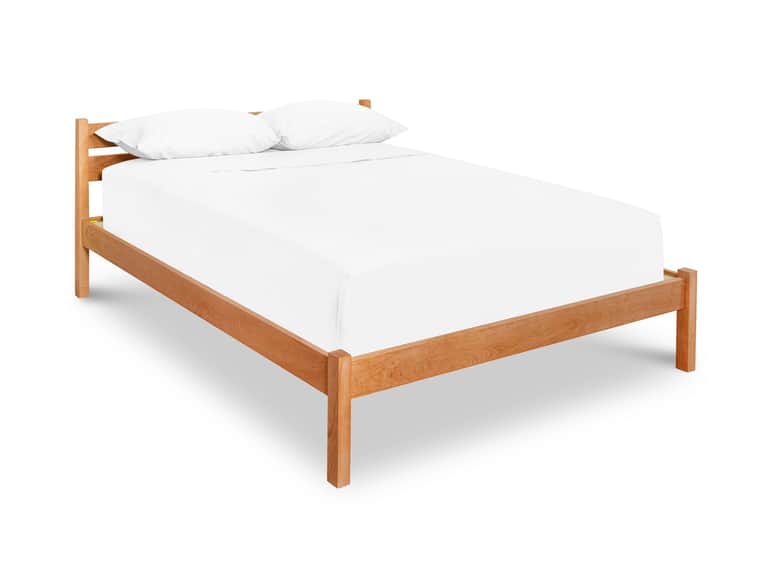
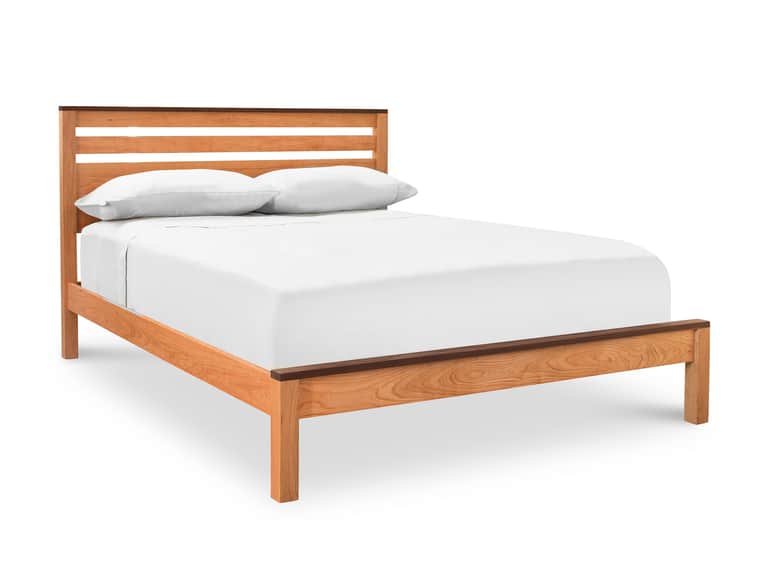
For a platform bed, verify the spacing and strength of the slats, the presence of a center support where required, and the bed’s stated weight capacity. For an adjustable base, confirm that the mattress is explicitly compatible and check any restrictions on bending or articulation. If the bed is split or uses independently moving sides, make sure the mattress size and construction match that arrangement.
It is also useful to distinguish mattress dimensions from frame dimensions. The mattress should fit the frame’s intended size, but the outside footprint of a bed can be several inches larger. Measure both the room and the furniture, then preserve practical pathways for opening drawers, making the bed, and moving around the sleeping area.
A practical checklist for comparing Naturepedic models
A clear side-by-side comparison reduces the chance that attractive language obscures meaningful differences. For each mattress under consideration, record the model name and review its current specification sheet. Then work through the same questions:
- What are the materials? Note the cover, comfort layers, support core, and any other listed components.
- What does each certification cover? Identify the certified material or component, the certifying organization, and the scope of the claim.
- How is the mattress configured? Record available firmness options, layer arrangement, and any model-specific features.
- What is the expected feel? Use manufacturer descriptions as a starting point, then test the mattress in your normal sleeping position where possible.
- What does the foundation need to provide? Confirm compatibility with your existing bed frame, slats, platform, or adjustable base.
- How should it be maintained? Check instructions for rotation, cleaning, protection, and handling.
- What are the terms of trial and warranty? Read the current conditions carefully, including exclusions, required foundations, and any return or exchange process.
- Does it suit the room and household? Consider size, access for delivery, partner preferences, and how the mattress will be used over time.
This method keeps the comparison grounded in verifiable details. It also makes it easier to recognize when two mattresses differ in actual construction rather than simply in their names or marketing descriptions.
Questions worth asking before purchase
Product pages rarely answer every question that matters to a particular bedroom. If a detail is absent, seek clarification before committing. Ask whether the listed materials apply to the exact size and configuration you plan to order, whether a firmness selection changes the internal construction, and whether the cover is intended to be removable.
Ask how the mattress should be supported and whether the foundation you own satisfies the current requirements. If you use an adjustable base, request confirmation for the specific model rather than relying on a general statement about the brand. For allergy or chemical-sensitivity concerns, focus on complete, precise component information and consult an appropriate health professional when decisions involve medical conditions. Product descriptions cannot substitute for individualized medical advice.
Finally, ask how the mattress will be delivered, what the trial period actually permits, and what happens if the feel is not right. Clear answers help establish realistic expectations and make the experience less dependent on assumptions.
The larger picture: choosing a sleep surface with intention
An organic mattress is not defined by a single ingredient. It is a constructed environment, with layers that distribute weight, yield to movement, and create the surface a sleeper encounters night after night. Naturepedic models can differ in the materials and structures they use, so the most reliable comparison begins with the specifications for each individual product.
The most useful questions are also the most concrete: What is each layer made from? What does it do? How does the mattress feel under your body? What base does it require? How should it be cared for? And what evidence supports claims about certifications or materials? By answering these in sequence, shoppers can move beyond vague impressions and make a choice better matched to their needs.
No label can promise a perfect night’s sleep. But a careful look at materials, support, construction, and compatibility can make the decision more informed—and help ensure that the mattress beneath the sheets is suited to both the sleeper and the room it occupies.
Frequently asked questions
Are all Naturepedic organic mattresses made the same way?
No. Models may use different materials, layer arrangements, support systems, and comfort options. Review the current specifications for the exact model and configuration you are considering.
Does “organic” tell me how firm a mattress will feel?
No. Organic describes particular material or production characteristics, not firmness. Feel depends on the complete construction, including the thickness and arrangement of the comfort and support layers.
Can I use an organic mattress on any bed frame?
Do not assume so. Check the model’s foundation requirements, including any rules for slat spacing, center support, or adjustable-base use. An unsuitable foundation may affect performance and warranty coverage.
How should I clean a mattress?
Follow the manufacturer’s instructions for that specific model. A mattress cover is not necessarily removable or machine washable, and cleaning methods intended for sheets should not be applied to the mattress without explicit guidance.
What is the best way to compare two models?
Compare their material lists, construction, available feels, foundation requirements, care instructions, certifications, and current trial and warranty terms. If possible, test each mattress in your usual sleeping position and take account of the bedding and base you plan to use.